
About Ladybugs
Our Director chose to name her business after an animal that has been apart of her life forever. When she was a kid her Grandma called her "ladybug." When naming her business it felt right to use that name. This page has some information regarding the importance of ladybugs incase you are interested in learning a bit about them. We have also included our sources for your consideration.
Fun Facts about ladybugs
Name: Ladybug, Lady Beetles, or Ladybird Beetles
They Are Actually Beetles: They belong to the beetle family Coccinellidae and are not considered true bugs by scientists, as explained by the U.S. National Park Service. (Source: nps.gov)
Massive Appetites: A single ladybug can eat up to 5,000 insects, like destructive aphids, in its lifetime to help save gardens. (Source: nationalgeographic.com)
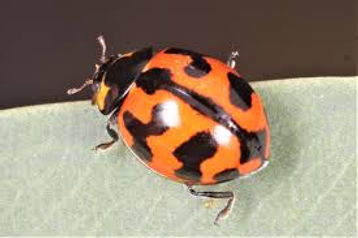
Vibrant Warning Colors: Their bright red, yellow, or orange colors are designed to warn predators that they taste terrible. (Source: sandiegozoo.org)
Foul-Tasting Secret Weapon: When frightened, they bleed a smelly, toxic yellow fluid from their leg joints to drive hungry birds away. (Source: nationalgeographic.com)
They Smell With Their Feet: They use special sensory organs on their feet and antennae to find food and navigate. (Source: insectlore.com)
Rapid Wing Beats: They flap their wings roughly 85 times per second when they fly through the air. (Source: sandiegozoo.org)
Astronaut Bugs: In 1999, NASA sent four ladybugs into space on a space shuttle to test how they catch food in zero gravity. (Source: thelandbetween.ca)
They Play Dead: If running away or their smelly defense doesn't work, they will go completely still and pretend to be dead. (Source: pestworldforkids.org)
Hidden Flying Wings: Their famous spots are on a hard shell called an elytron, which opens up to reveal delicate wings underneath. (Source: sandiegozoo.org)
Cultural Good Luck: People all over the world welcome them into their gardens because they are considered symbols of good luck. (Source: nationalgeographic.com)


Why are they important
Natural Pest Control: They hunt plant-destroying pests like aphids, mites, whiteflies, and mealybugs without using harsh chemicals. (Source: ucanr.edu)
Saving Native Flora: By eating thousands of invasive pests daily, they preserve the plants that form the foundation of our ecosystems. (Source: nps.gov)
Supporting the Food Web: They serve as a crucial food source for native birds, frogs, and larger beneficial insects. (Source: nationalgeographic.com)
Protecting Endangered Plants: Many rare or endangered native plants rely on healthy insect balances to survive, reproduce, and grow. (Source: nps.gov)
Reducing Chemical Runoff: Healthy ladybug populations allow farmers and gardeners to stop using pesticides that poison our soil and water. (Source: ucanr.edu)
Ecosystem Indicators: A sudden drop in native ladybug populations signals a deeper, unhealthy imbalance in the local environment. (Source: nps.gov)


Endangered & Threatened Ladybugs
The Disappearing Nine-Spotted Ladybug: Once common in North America, the Nine-Spotted Ladybug (Coccinella novemnotata) has vanished from most of its historic home and is now officially listed as Endangered in parts of its range. (Source: canada.ca)
The Rapid Decline of the Two-Spot: The Two-Spotted Ladybug (Adalia bipunctata) used to be incredibly abundant, but it has drastically declined in numbers over the last few decades and is classified as a Species of Greatest Conservation Need. (Source: vtecostudies.org)
The Transverse Ladybug Crisis: The Transverse Ladybug (Coccinella transversoguttata) is another native species that has quietly become very rare across its entire natural North American habitat. (Source: vtecostudies.org)
Why They Are in Trouble: Invasive, non-native species like the Asian Lady Beetle and the Seven-Spotted Ladybug were introduced by humans and have taken over native food supplies and habitats. (Source: nps.gov)
Pesticide Threats: Increased chemical use in local agriculture and residential suburban areas kills off the delicate food sources native ladybug larvae rely on to survive. (Source: xerces.org)
Citizen Scientists to the Rescue: Organizations ask regular people to photograph backyard ladybugs to help tracking teams locate and protect remaining hidden native populations. (Source: lostladybug.org)